IT Readiness for Business Growth: Why Q1 Initiatives Fail to Scale
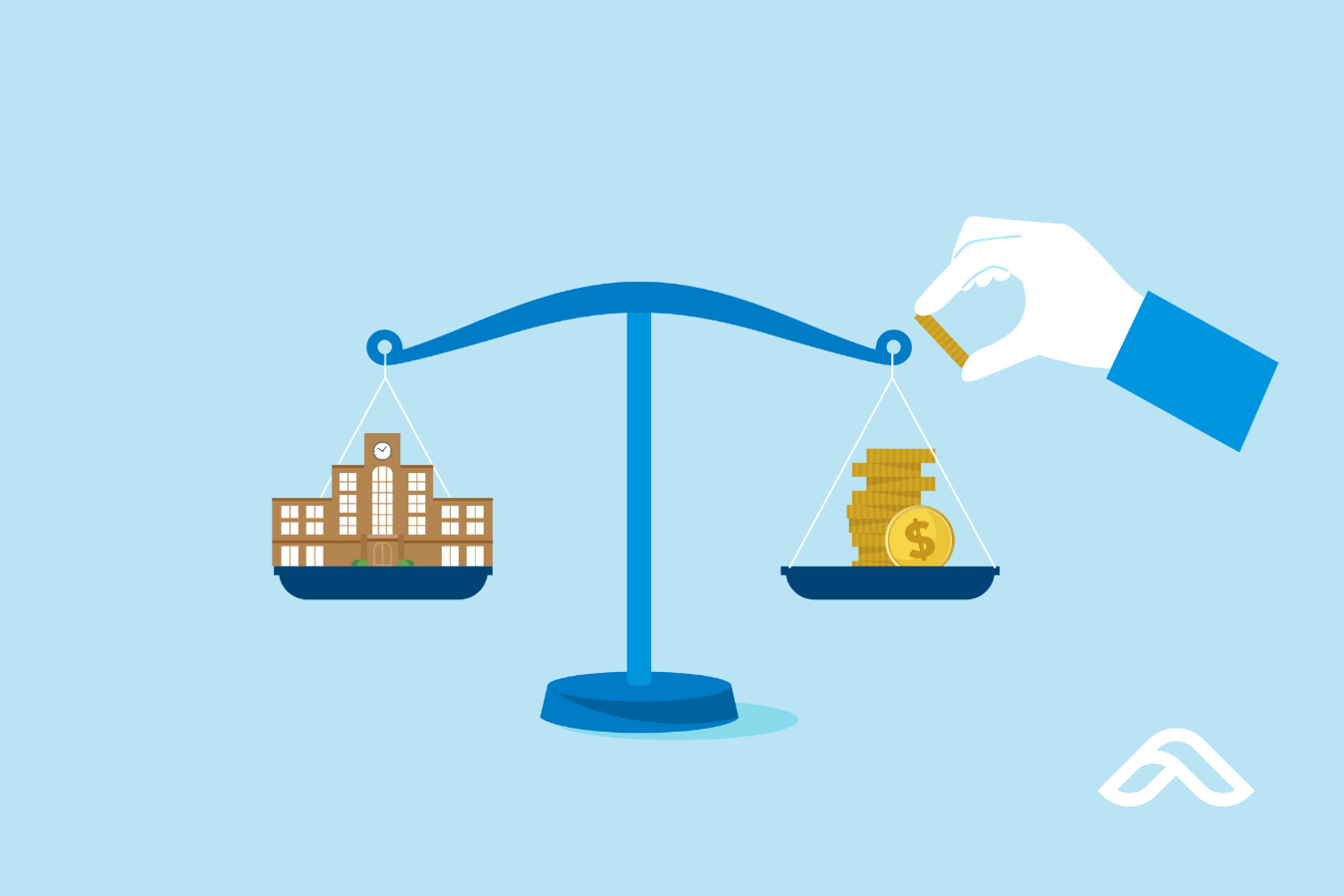
Every year, businesses kick off Q1 with momentum. New growth targets are set, digital initiatives are approved, and leadership teams expect strong execution from day one. But when IT readiness for business growth has not been properly assessed, those Q1 initiatives often struggle to gain traction before the quarter is even halfway through.
This article explores why Q1 initiatives fail when IT is not ready to scale, what that looks like in real organisations, and how businesses can prevent it before the next planning cycle.
IT Readiness for Business Growth Is Tested in Q1
Q1 is uniquely demanding. Budgets are fresh, expectations are high, and execution is under scrutiny. Many initiatives launched in Q1 are designed to drive revenue, efficiency, or competitive advantage within the same financial year.
That makes IT a critical dependency.
If your systems, infrastructure, or support model are already stretched, Q1 exposes those cracks quickly. What worked last year at a smaller scale often fails when the business asks more from it.
This is where IT readiness for business growth becomes the difference between momentum and frustration.
What Poor IT Readiness for Business Growth Looks Like
Most organisations do not realise their IT is holding them back until something breaks. In reality, the warning signs appear well before failure.
Common indicators include slow system performance as user numbers increase, frequent outages during peak periods, limited visibility across systems, and IT teams spending more time fixing issues than enabling projects.
In Q1, these issues surface fast because initiatives usually involve one or more of the following:
-
Hiring new staff
-
Launching new platforms or services
-
Expanding into new locations or markets
-
Increasing reliance on cloud tools and data
-
Tight delivery timelines tied to board or investor expectations
Without scalable IT, each of these becomes harder than it should be.
The Cost of Growth Without IT Readiness
When IT is not ready, businesses often push ahead anyway. The result is short-term progress at the expense of long-term stability.
Teams create workarounds to meet deadlines. Systems are stretched beyond their intended use. Security controls are relaxed to keep things moving. Documentation and process are postponed for “later”.
This approach rarely ends well.
Instead of accelerating growth, Q1 initiatives consume internal energy, create technical debt, and introduce risk that lingers for the rest of the year.
From an operational perspective, this is where IT readiness for business growth becomes a strategic issue, not a technical one.
How IT Readiness for Business Growth Impacts Q1 Initiatives
1. New Projects Compete With Business-as-Usual
In under-resourced IT environments, new initiatives compete directly with day-to-day support. The same people responsible for keeping systems running are also expected to deliver transformation.
This leads to delays, burnout, and missed milestones.
When IT is ready to scale, projects are planned, resourced, and delivered without compromising stability. When it is not, everything becomes reactive.
2. Systems Struggle to Scale Without IT Readiness
Growth almost always means more users, more data, and more complexity.
Legacy infrastructure, poorly configured cloud environments, or under-licensed platforms struggle under increased load. Performance issues emerge just as teams are expected to move faster.
This is one of the most common reasons Q1 initiatives lose credibility internally. The business wants progress, but the tools cannot keep up.
3. Security and Compliance Become Afterthoughts
Q1 initiatives often introduce new applications, integrations, or access requirements. Without scalable IT governance, security is applied inconsistently or too late.
This creates risk at exactly the time businesses are most exposed. Cyber threats do not pause for growth initiatives, and compliance requirements do not become optional because timelines are tight.
Strong IT readiness for business growth ensures security scales alongside ambition, not behind it.
4. Poor Visibility Leads to Poor Decisions
When systems are fragmented, leaders lack real-time visibility into performance, cost, and risk.
In Q1, decisions are made quickly. If data is unreliable or hard to access, initiatives drift off course before anyone realises.
Scalable IT provides clear insight into what is working, what is not, and where to intervene early.
5. IT Becomes a Bottleneck Instead of an Enabler
The most damaging outcome is cultural.
When IT cannot support growth, teams stop involving IT early. Projects are designed without technical input, then handed over late in the process.
This creates friction, rework, and frustration on all sides. Over time, IT is viewed as a blocker rather than a partner.
This perception is hard to reverse and often leads to larger transformation costs later.
This is often the point where businesses realise their internal team is stretched thin, and that a structured Managed IT Services model is required to support growth without sacrificing stability.
Why This Happens Year After Year
Many businesses treat IT as a fixed cost rather than a growth function. Budgets are set based on last year’s needs, not next year’s ambitions.
Q1 initiatives then assume IT will somehow stretch to accommodate change.
Without deliberate investment in scalability, planning cycles repeat the same mistakes. Growth initiatives are approved, but the foundation beneath them remains unchanged.
This is why IT readiness for business growth needs to be assessed before initiatives are launched, not after they struggle.
What Scalable IT Actually Enables
When IT is ready to scale, Q1 initiatives move faster and with less friction.
New users are onboarded seamlessly. Systems adapt to increased demand. Security is embedded by design. Projects are delivered without constant firefighting.
Most importantly, leadership teams gain confidence that execution will match ambition.
This is not about over-engineering or buying the latest technology. It is about aligning IT capability with business direction.
How to Prepare IT Before the Next Q1 Push
Preparing IT to scale does not require a complete overhaul, but it does require honesty.
Start by assessing whether your current environment could support a sudden increase in users, data, or complexity without degradation. Review whether your IT team has capacity to support projects alongside operations. Evaluate how quickly security and access can be extended without introducing risk.
These conversations are easier to have outside the pressure of Q1, but they deliver the most value when acted on early.
At Affinity MSP, we often see businesses achieve better outcomes simply by aligning IT planning with business planning, rather than treating them as separate exercises.
Why This Is a Leadership Issue, Not Just an IT One
Ultimately, failed Q1 initiatives reflect a gap between strategy and execution.
IT is the connective tissue between vision and reality. When it is not ready to scale, even well-designed initiatives struggle.
Leaders who prioritise IT readiness for business growth create organisations that move faster, adapt better, and sustain momentum beyond Q1.
Those who do not often spend the rest of the year recovering from decisions made under pressure.
The Takeaway
Q1 should be the launchpad for growth, not a stress test that exposes limitations.
If initiatives consistently stall, run over budget, or create internal friction, it is worth looking beyond the surface. More often than not, the issue is not effort or intent, but whether IT was ready to scale in the first place.
Getting this right sets the tone for the entire year.